
How Smart Bike Helmets Are Changing E-Bike Safety In 2026

As e-bikes become a popular choice for commuting, exercise, and everyday transportation, riders are looking for better ways to stay visible and protected on busy streets. How Smart Bike Helmets Are Changing E-Bike Safety In 2026 reflects a major shift in cycling technology, where helmets now do more than provide basic head protection. Modern smart helmets can combine certified protection with connected features such as integrated lights, turn signals, crash alerts, and app-based controls, helping riders take a more proactive approach to safety and visibility.
Why Smart Helmets Are Becoming More Popular
Traditional helmets remain an essential part of cycling safety, but today’s riders often face more complex traffic conditions. Urban cyclists share roads with cars, buses, motorcycles, pedestrians, and other cyclists. E-bike riders may also travel at higher speeds than traditional cyclists, which makes visibility and appropriate helmet certification especially important.
Smart helmets add another layer to the riding experience by combining protection with technology. Depending on the model, they can include integrated lighting, turn signaling, crash detection, Bluetooth connectivity, and smartphone controls. This approach helps move the helmet from a simple protective accessory toward a connected part of the rider’s safety equipment.
MIPS Protection For Modern Riders

One of the key developments in helmet design is MIPS protection. The Multi-directional Impact Protection System, commonly known as MIPS, aims to address certain rotational forces that can occur during angled impacts. Riders should still choose a properly certified helmet, wear it correctly, and replace it after a serious crash.
UNIT 1’s AURA Mips and FARO Mips models combine MIPS technology with smart features designed for urban riding. The company’s current smart-helmet lineup also highlights certified protection alongside features such as integrated lighting and crash detection.
When choosing a helmet, safety certification should always come first. Riders should check which standards apply in their country and select a model that fits correctly. UNIT 1 states that its AURA and NEON helmets carry NTA 8776 alongside EN 1078 and CPSC certifications, offering options designed for different markets and riding environments.
E-Bike Safety Requires Better Visibility
E-bike safety involves more than wearing a helmet. Riders also need to make themselves easier for other road users to notice, especially in busy urban environments or low-light conditions.
Smart helmets can support this goal through integrated front and rear lighting. Because the lights sit higher on the rider’s body than many traditional bike lights, they can create a more noticeable visual position in traffic. UNIT 1’s AURA system, for example, includes integrated lighting and can provide front and rear visibility, while its smart features also support customizable light modes.
Visibility does not replace safe riding. Cyclists should still use appropriate lights, follow traffic rules, maintain a predictable line, and remain aware of their surroundings.
Integrated Lights Make Riders Easier To See

Integrated lights are becoming one of the most recognizable features of smart helmets. Instead of attaching every light separately to the handlebars or seat post, riders can use lighting built directly into the helmet or connect compatible smart accessories.
Modern systems can offer different lighting modes for different conditions. UNIT 1 describes adjustable light modes on AURA and allows riders to customize lighting through its companion app. This gives cyclists more control over how their helmet looks and functions during different rides.
Integrated lighting can also simplify a rider’s setup. Instead of managing several disconnected accessories, a connected system can bring important controls into one ecosystem.
Turn Signals Add Another Layer Of Communication
One of the biggest challenges for cyclists is communicating intentions clearly to drivers and other road users. Hand signals remain important, but riders may not always feel comfortable taking one hand away from the handlebars in every situation.
Smart helmets with turn signals provide another way to communicate. UNIT 1’s smart helmets can pair with a remote system that lets riders activate signals without constantly reaching for the helmet itself. AURA also supports customizable signal behavior through the UNIT 1 app.
Turn signals do not replace awareness or standard hand signaling where appropriate. Instead, they can complement traditional communication methods and make a rider’s intentions more visible.
Crash Alerts Can Help After An Accident
Another important smart feature is the use of crash alerts. In a serious accident, a rider may become unable to reach their phone or contact someone for assistance. A connected helmet with crash detection can potentially provide an additional safety response.
UNIT 1 states that its connected helmets can detect certain crashes and send an alert to an emergency contact, including the rider’s location, through the relevant system. The exact functionality depends on the helmet, app, phone connection, and setup.
Riders should view crash alerts as a supporting feature rather than a guarantee of emergency assistance. A smart helmet cannot replace responsible riding, a mobile phone, or emergency services.
Urban Cycling Is Driving Smart Helmet Innovation

The growth of urban cycling has created new demands for cycling equipment. City riders often deal with traffic, frequent stops, changing weather, poor visibility, and unpredictable road conditions.
Smart helmet technology addresses several of these challenges in one product. A rider may use integrated lights for visibility, turn signals for communication, crash alerts for emergencies, and app connectivity for customization and monitoring.
UNIT 1 positions its smart helmets around urban riding and e-bike use, with products such as AURA, FARO, and NEON combining impact protection with connected features. The company’s current product information also emphasizes daily commuting and e-bike riding as key use cases.
Smart Helmets And Everyday Convenience
Technology becomes more valuable when it feels easy to use. Smart helmet systems increasingly connect through smartphone apps, allowing riders to adjust settings, monitor battery levels, and manage connected accessories.
UNIT 1’s AURA system, for example, connects with the UNIT 1 app and supports controls for light modes, signals, battery tracking, and synchronization with compatible accessories. NEON also offers Bluetooth connectivity and app-based controls.
These features can make everyday riding more convenient, but riders should still make sure that technology does not distract them while moving. Settings should ideally stay simple during a ride so that attention remains on the road.
Smart Helmets And The Future Of E-Bike Safety
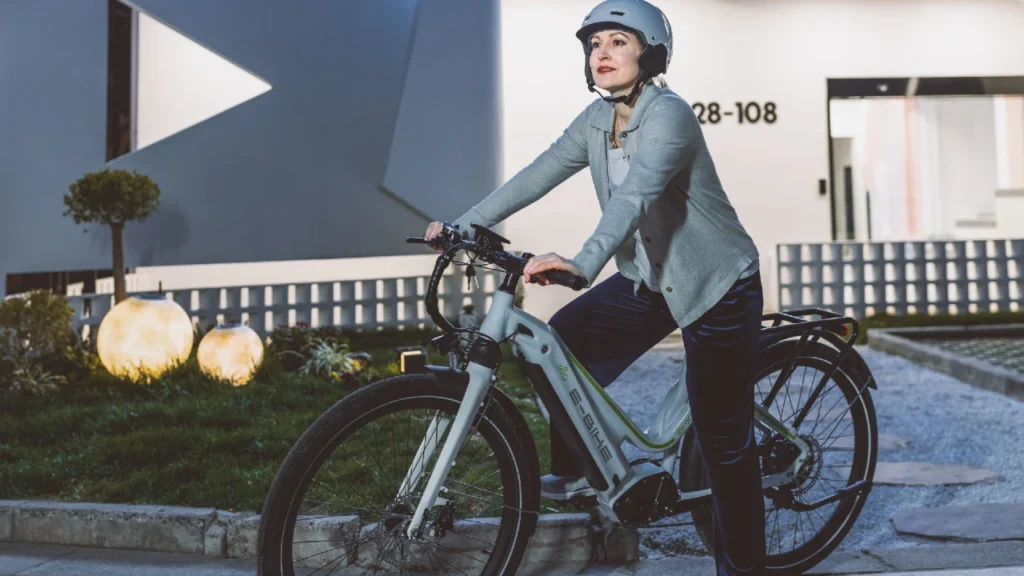
The combination of smart helmets, MIPS protection, e-bike safety, integrated lights, turn signals, crash alerts, and urban cycling shows where modern cycling equipment is heading.
Smart helmets do not replace good riding habits, proper bike maintenance, or responsible road behavior. Instead, they bring multiple safety-related functions together in a single piece of gear. This can make a meaningful difference for commuters who ride regularly and face busy traffic every day.
The most useful helmet depends on the individual rider. Someone who commutes at night may prioritize integrated lights and visibility. An e-bike rider may focus on appropriate certification and protection. A solo cyclist may value crash alerts, while someone who rides in busy city streets may prefer turn signals and connected controls.
How To Choose The Right Smart Helmet
Before buying a smart helmet, consider your actual riding needs.
Check The Certification
Make sure the helmet meets the safety standards required in your location. Certification should always remain a top priority.
Find The Right Fit
A helmet can only work properly when it fits securely and sits correctly on your head. Measure your head and follow the manufacturer’s sizing guide.
Review The Smart Features
Think about which features matter most. You may want integrated lights, turn signals, crash alerts, app controls, or a combination of these.
Consider Battery Life
Smart features require power. Check charging requirements and battery performance before choosing a model.
Think About Your Riding Environment
A daily city commuter may need different features from someone who rides recreationally on quiet roads.
Discover More Smart Lifestyle Technology
As technology continues to influence transportation and everyday life, trustedbrands can help readers explore more information about innovative products, smart accessories, and modern lifestyle solutions. Staying informed about new technology makes it easier to compare features and choose products that match your personal needs.
The Future Of E-Bike Safety
The future of cycling technology will likely focus on making safety features more connected, visible, and convenient. Smart helmets already bring several functions together, and future systems may continue to improve how riders communicate with vehicles, monitor their equipment, and respond to emergencies.
For e-bike riders, the most important goal remains simple: arrive safely. Smart technology can support that goal, but it works best alongside proper helmet fit, responsible riding, good visibility, and awareness of traffic.
As more people choose e-bikes for commuting and urban transportation, smart helmets may become a more common part of the cycling experience.
Final Thoughts
How Smart Bike Helmets Are Changing E-Bike Safety In 2026 is ultimately a story about how technology can make everyday cycling more connected and visible. Modern smart helmets combine protective design with features such as MIPS protection, integrated lights, turn signals, and crash alerts, creating a broader approach to e-bike safety and urban cycling.
The best technology does not ask riders to abandon good safety habits. Instead, it supports those habits with useful tools that can improve visibility, communication, and emergency response.
For riders who spend time commuting through busy streets or using an e-bike every day, a smart helmet may offer valuable features that go beyond traditional head protection. The key is to choose a properly certified, well-fitting helmet and select smart features that genuinely fit the way you ride.
FAQs
1. What is a smart bike helmet?
A smart bike helmet combines standard protective features with connected technology such as integrated lights, turn signals, Bluetooth connectivity, crash detection, and smartphone controls. Features vary by model.
2. Why is MIPS protection important?
MIPS is designed to help address certain rotational forces that can occur during angled impacts. Riders should still choose a properly certified helmet, wear it correctly, and replace it after a serious crash.
3. Are smart helmets suitable for e-bike riders?
Some smart helmets are specifically designed or certified for e-bike use. UNIT 1 states that its AURA and NEON models carry NTA 8776 certification alongside other listed standards, although riders should always check the certification requirements in their own region.
4. How do integrated lights improve cycling visibility?
Integrated lights can help make a rider more noticeable to other road users, particularly in low-light conditions. They work as a visibility aid and do not replace safe riding or compliance with local lighting requirements.
5. What are helmet turn signals?
Helmet turn signals use lights to communicate a rider’s intention to turn. Some smart helmet systems allow riders to activate signals through a compatible remote, making the process easier without repeatedly removing a hand from the handlebars.
6. How do crash alerts work?
Crash-alert systems use sensors to detect certain crash events. Depending on the product and setup, the system may send an alert to an emergency contact. Riders should configure the feature correctly and understand its limitations.
7. Do smart helmets replace traditional cycling safety practices?
No. Smart features support safe riding but do not replace proper helmet fit, road awareness, traffic rules, reflective clothing, appropriate lighting, or responsible riding habits.
8. Are smart helmets worth buying in 2026?
For riders who commute regularly, use e-bikes, or ride in busy urban environments, smart features such as integrated lights, turn signals, and crash alerts can offer useful benefits. The right choice depends on your budget, riding environment, certification needs, and the features you will actually use.
What is your reaction?