
Why Encha Matcha Is Trending Among Wellness Lovers

If you have noticed bright green matcha lattes appearing everywhere lately, you are not alone. Why Encha Matcha Is Trending Among Wellness Lovers has become an interesting question as more people look for simple beverages that fit into their daily wellness routines. Matcha has moved beyond traditional tea culture and now appears in cafés, home kitchens, smoothies, and morning routines around the world. Recent market and consumer trend reports also show strong interest in matcha, particularly among people who value wellness, premium ingredients, and alternatives to their usual coffee routine.
Encha has gained attention within this growing matcha movement by focusing on Japanese green tea powder and convenient ways to enjoy it. For many wellness lovers, the appeal goes beyond its striking green color. Matcha offers a distinctive combination of flavor, preparation ritual, natural caffeine, and compounds such as catechins and L-theanine.
What Makes Ceremonial Grade Matcha Different?
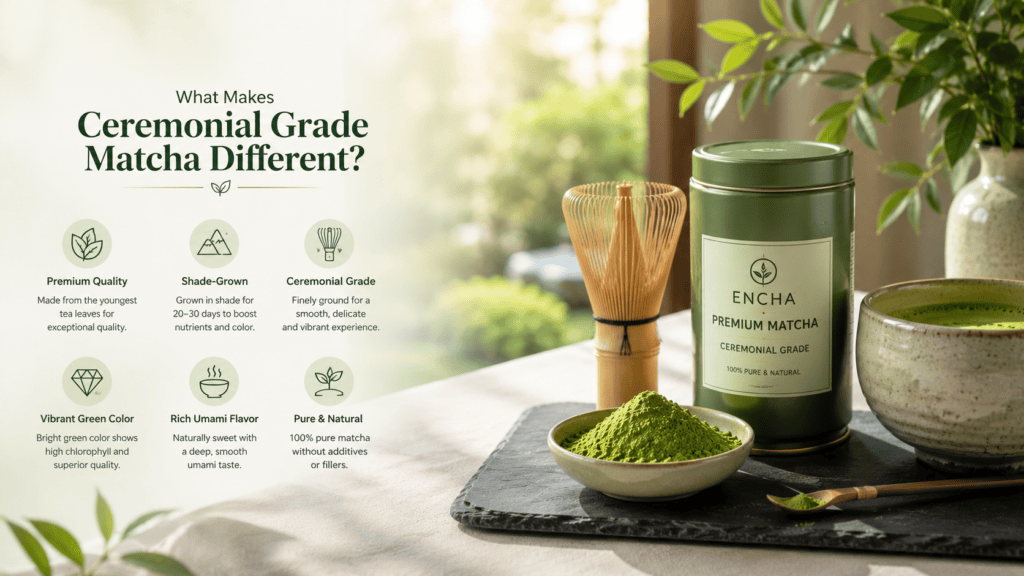
One of the biggest reasons people explore premium matcha is the interest in Ceremonial Grade Matcha. This term generally describes matcha intended for drinking with water rather than primarily using it as a cooking ingredient.
However, there is an important detail that shoppers should understand: “ceremonial grade” does not represent one universally regulated Japanese grading standard. Different producers can use the term differently. Instead of relying only on the label, buyers should look at the tea’s origin, ingredient information, harvest details, color, aroma, texture, and the reputation of the producer.
Traditional Japanese matcha comes from tea leaves known as tencha. Producers shade the plants before harvest, process the leaves, and grind them into a very fine powder. Japan’s official tourism organization explains that matcha plays an important role in Japanese tea culture and traditional tea ceremonies.
Good-quality matcha often has a vibrant green appearance, a fresh aroma, and a smooth flavor with pleasant vegetal and umami notes. It should not simply taste bitter or dusty.
Why Wellness Lovers Are Choosing Matcha
Matcha fits naturally into the modern wellness lifestyle because it offers more than a conventional cup of tea.
Unlike traditional brewed green tea, matcha powder gets whisked directly into water. That means you consume the powdered tea rather than steeping the leaves and throwing them away.
Matcha also contains naturally occurring caffeine. This makes it appealing to people who want a caffeinated drink but prefer something different from coffee.
Another interesting component is L-theanine, an amino acid naturally found in tea. Matcha also contains catechins and other plant compounds. These qualities have helped matcha attract consumers who pay closer attention to what they eat and drink.
Of course, matcha should not get treated as a miracle health product. It works best as one part of a balanced lifestyle rather than a replacement for nutritious food, sleep, exercise, or professional medical advice.
The Appeal of Premium Matcha Powder
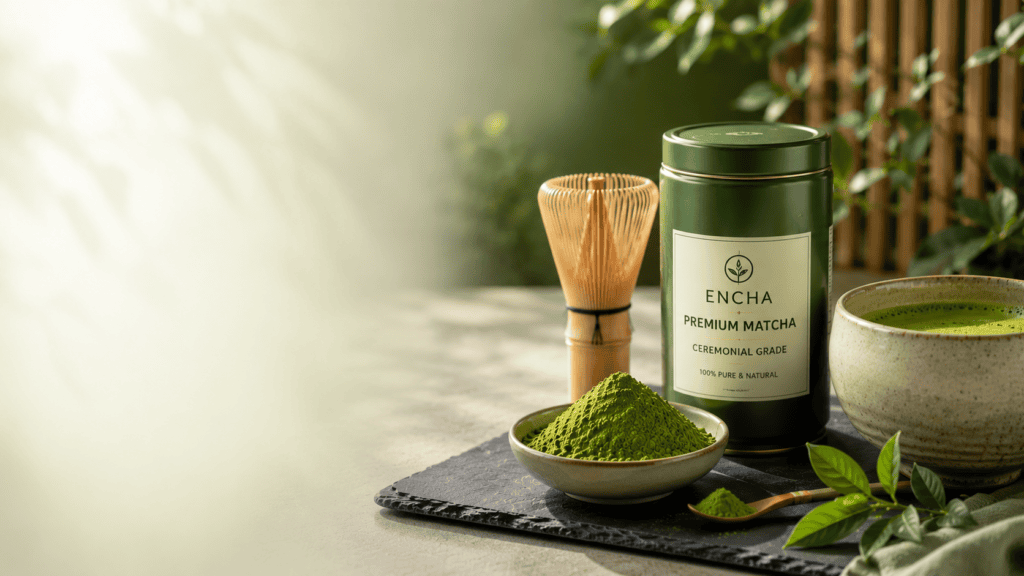
The growing interest in Premium Matcha Powder reflects a larger change in how people approach everyday beverages. Instead of choosing drinks only for convenience, many consumers now care about ingredients, sourcing, taste, preparation, and overall quality.
Premium matcha can offer a smoother drinking experience, especially when you prepare it traditionally with water. The flavor can include sweet, grassy, creamy, and umami-like notes depending on the tea.
Here are some qualities shoppers can look for when choosing Premium Matcha Powder:
- Japanese origin and clear sourcing information
- Bright green color
- Fine, silky powder
- Fresh vegetal aroma
- Smooth flavor with balanced umami
- Clear ingredient labeling
- Packaging that protects the powder from light and air
- Reliable information about the producer and product
A high price alone does not guarantee better matcha. Learning how a product was sourced and processed can tell you much more than a premium-looking package.
Encha Matcha Fits Modern Morning Routines
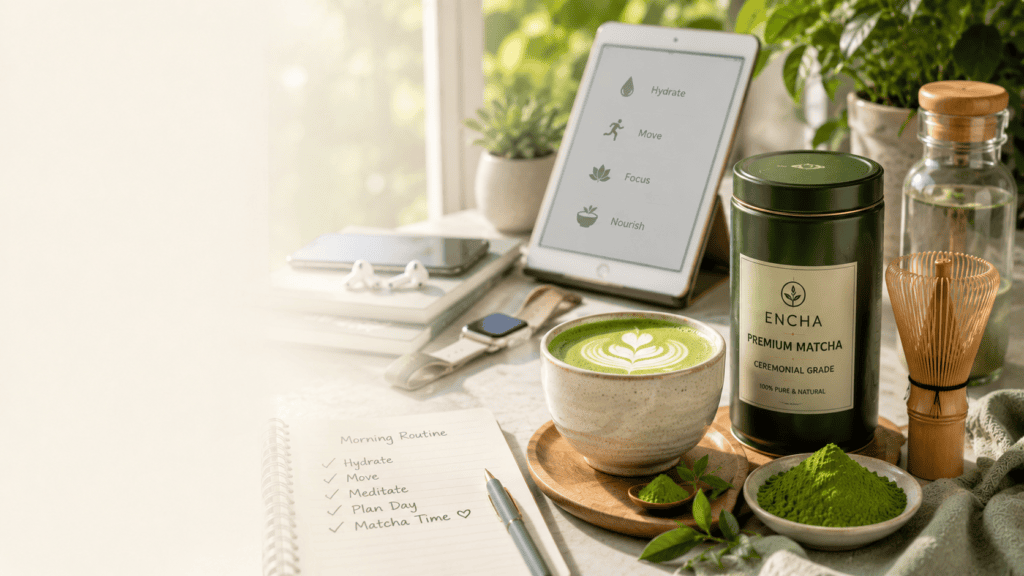
One reason matcha continues to grow is its versatility. You do not need to follow a complicated tea ceremony every morning.
A simple Encha matcha routine can take only a few minutes. Add matcha powder to a bowl, pour in a small amount of warm water, whisk until smooth and slightly frothy, and then add more water or milk according to your preference.
For a classic preparation, many people use a bamboo whisk called a chasen. A small sifter can also help break up clumps before whisking.
You can enjoy matcha in several ways:
- Traditional matcha with water
- Iced matcha
- Matcha latte
- Matcha with oat or almond milk
- Matcha smoothie
- Matcha chia pudding
- Matcha-inspired breakfast recipes
This flexibility makes it easier for busy people to incorporate matcha into their existing routines.
Why Matcha Has Become More Than A Tea
Matcha’s popularity also connects with the growing interest in mindful consumption. Making a matcha drink can become a small daily ritual rather than another rushed task.
The preparation itself encourages people to slow down for a moment. You measure the powder, whisk it, prepare your drink, and then sit down to enjoy it. That simple process can feel very different from grabbing a coffee while running out the door.
This connection between wellness and ritual has helped matcha gain attention on social media as well. The recognizable green color makes it visually appealing, while cafés continue to experiment with matcha lattes, desserts, and creative drinks. Current 2026 reporting shows that matcha continues to expand across cafés and at-home consumption.
Ceremonial Grade Matcha vs. Everyday Matcha
If you are new to matcha, the terminology can feel confusing.
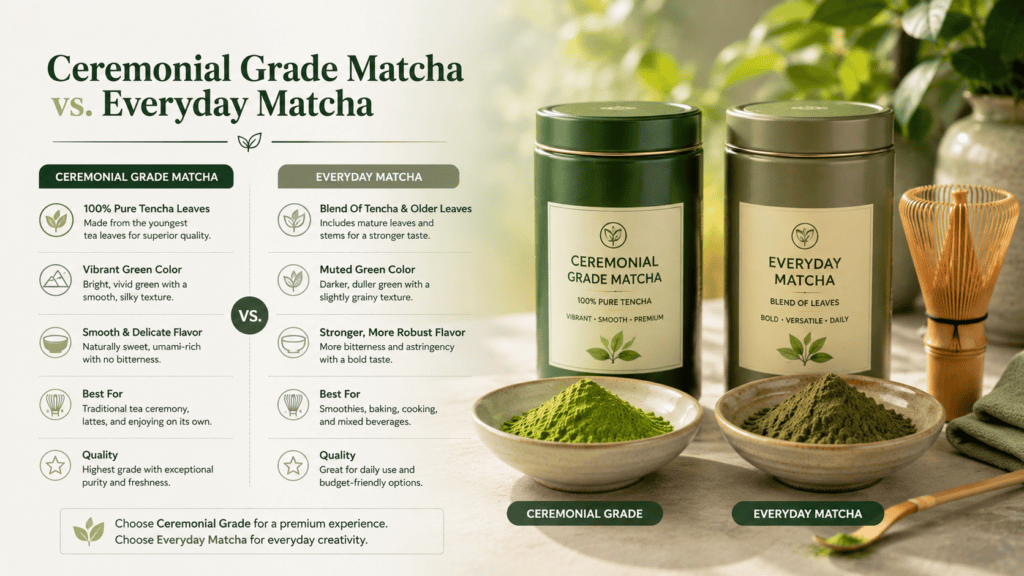
Ceremonial Grade Matcha usually targets people who want to drink the powder directly with water. Its smoother flavor makes that preparation particularly enjoyable.
Other matcha products may work better in recipes. Stronger flavor profiles can perform well in lattes, smoothies, desserts, and baked goods because milk, sweeteners, and other ingredients can balance the tea’s natural bitterness.
Neither option automatically makes the other “bad.” The best choice depends on how you plan to use it.
If you want to drink matcha traditionally with water, quality and flavor matter more. If you mainly want a matcha latte every morning, you may prefer a powder that provides a stronger tea flavor and works well with milk.
How to Prepare Matcha at Home
You do not need an expensive setup to make a good cup.
Start with about 1–2 grams of matcha and sift it into a bowl. Add a small amount of warm water rather than boiling water. Whisk the mixture briskly until the powder dissolves and a light layer of foam develops.
You can then add more water for traditional matcha or pour the mixture over ice and milk for a refreshing latte.
Japan’s tourism organization describes traditional matcha preparation as a careful process, with Encha matcha whisked in a bowl until frothy.
The key is consistency. Once you find the amount of powder, water, and milk that suits your taste, making matcha becomes surprisingly easy.
Promotion
For readers exploring premium wellness products, trustedbrands can be a useful starting point when comparing products, ingredients, quality claims, and customer-focused options. Always check the product details carefully and choose matcha from a source that provides clear information about its origin and ingredients.
Is Matcha A Good Alternative To Coffee?
For some people, yes.
Matcha contains caffeine, so it can provide a natural source of stimulation. However, its caffeine content varies according to serving size and preparation. The presence of L-theanine also contributes to the unique character of tea compared with coffee.
That does not mean matcha will affect everyone in the same way. Some people remain sensitive to caffeine, especially when they drink it later in the day.
If you already drink coffee, you can experiment by replacing one serving with matcha and seeing how you feel.
What Should You Look for When Buying Matcha?
The growing matcha trend has created plenty of choices, but not every product deserves the same attention.
Look beyond words such as “premium” or “ceremonial.” Check the source, ingredients, packaging, freshness, and preparation recommendations.
Freshness matters because matcha can lose quality when exposed to oxygen, light, heat, and moisture. Good packaging should help protect the powder from those conditions.
You should also consider flavor. High-quality matcha does not need excessive sugar to become enjoyable. A smooth, balanced flavor often makes it easier to drink without adding lots of sweeteners.
Final Thoughts
The popularity of matcha does not look like a passing social media fad. Consumers continue to explore it because it combines tradition, distinctive flavor, convenience, and wellness appeal in one simple drink. Current 2026 trend reporting points to continued growth in both at-home matcha use and premium matcha demand.
Why Encha Matcha Is Trending Among Wellness Lovers ultimately comes down to more than its beautiful green color. Matcha fits modern routines while keeping a connection to Japanese tea culture. For people who enjoy thoughtful food and beverage choices, Ceremonial Grade Matcha can turn an ordinary morning drink into a small daily ritual.
Whether you enjoy it traditionally, as an iced latte, or blended into a smoothie, choosing a quality Premium Matcha Powder and preparing it properly can make the experience much more enjoyable.
FAQs
1. What is Ceremonial Grade Matcha?
Ceremonial Grade Matcha generally refers to matcha intended for drinking directly with water. The term commonly signals a smoother, more refined style of matcha, although “ceremonial grade” does not function as one universally regulated Japanese quality grade.
2. Is Encha Matcha good for beginners?
Matcha can be easy for beginners to enjoy, especially when prepared as a latte. Starting with a small serving and adjusting the amount to your preferred flavor can make the transition easier.
3. Can I drink matcha every day?
Many people enjoy matcha daily. However, matcha contains caffeine, so your total caffeine intake matters. People who are sensitive to caffeine should pay attention to serving size and timing.
4. Does matcha contain caffeine?
Yes. Matcha naturally contains caffeine because it comes from the tea plant. The exact amount varies depending on the powder and serving size.
5. What is the difference between Premium Matcha Powder and regular matcha?
The terms vary between brands. Premium products generally focus more strongly on sourcing, flavor, freshness, and processing. Always check the actual product information rather than relying only on marketing language.
6. Should matcha taste bitter?
Matcha naturally has some bitterness and astringency, but good-quality matcha can also have sweet, vegetal, creamy, and umami notes. Extremely harsh bitterness may indicate that the powder does not suit your preparation method or that its quality or freshness has declined.
7. Is matcha healthier than coffee?
There is no simple answer. Both drinks contain caffeine and can fit into a balanced diet. Matcha provides tea compounds such as catechins and L-theanine, while coffee has its own nutritional and research profile. The better choice depends on your preferences, caffeine tolerance, and overall diet.